
Hyperbaric System Design: Key Considerations for Optimal Performance
Updated: 6 days ago
When designing a hyperbaric system, precision and care are essential. The goal is to create a safe, effective, and user-friendly environment that supports wellness and recovery. Whether for wellness centres, sports facilities, clinics, or private individuals, the design must meet strict standards while remaining accessible and practical. I will guide you through the key considerations that ensure a successful hyperbaric system design.
Understanding the Essentials of Hyperbaric System Design
Hyperbaric system design involves more than just assembling components. It requires a deep understanding of pressure dynamics, materials, safety protocols, and user experience. The system must maintain consistent pressure levels, provide comfort, and ensure safety at all times.
Key elements to focus on include:
Pressure control: The system must reliably reach and maintain the desired pressure without fluctuations.
Material selection: Components should be durable, corrosion-resistant, and safe for repeated use.
User interface: Controls should be intuitive and accessible, allowing users to operate the system confidently.
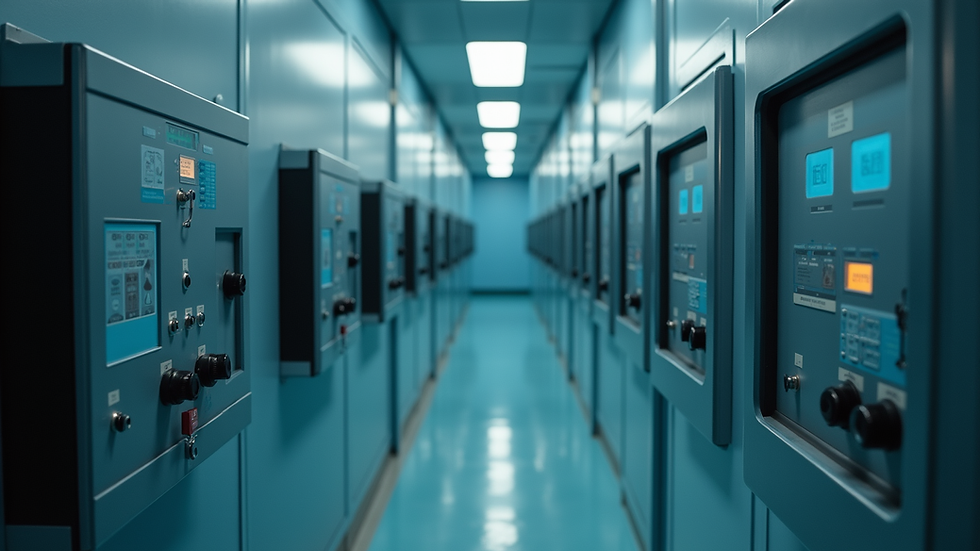
Safety features: Emergency release valves, alarms, and monitoring systems are critical.
Maintenance access: Design should allow easy inspection and servicing to ensure longevity.
Each of these elements contributes to a robust and trustworthy hyperbaric system.
Structural and Material Considerations in Hyperbaric System Design
The physical structure of a hyperbaric chamber must withstand high pressure safely. This means selecting materials that are strong, reliable, and compatible with the operating environment.
Material strength: Steel and aluminium alloys are common choices due to their strength-to-weight ratio.
Corrosion resistance: Chambers often use coatings or stainless steel to prevent rust and degradation.
Sealing mechanisms: High-quality gaskets and seals prevent leaks and maintain pressure integrity.
Transparency options: Acrylic windows provide visibility but must be thick and reinforced to handle pressure.
The chamber’s shape also affects performance. Cylindrical or spherical designs distribute pressure evenly, reducing stress points. Doors and entry points require secure locking systems that can be operated easily but prevent accidental opening under pressure.
Regular testing and certification of materials and structure are mandatory to comply with safety standards.

What are the two types of hyperbaric chambers?
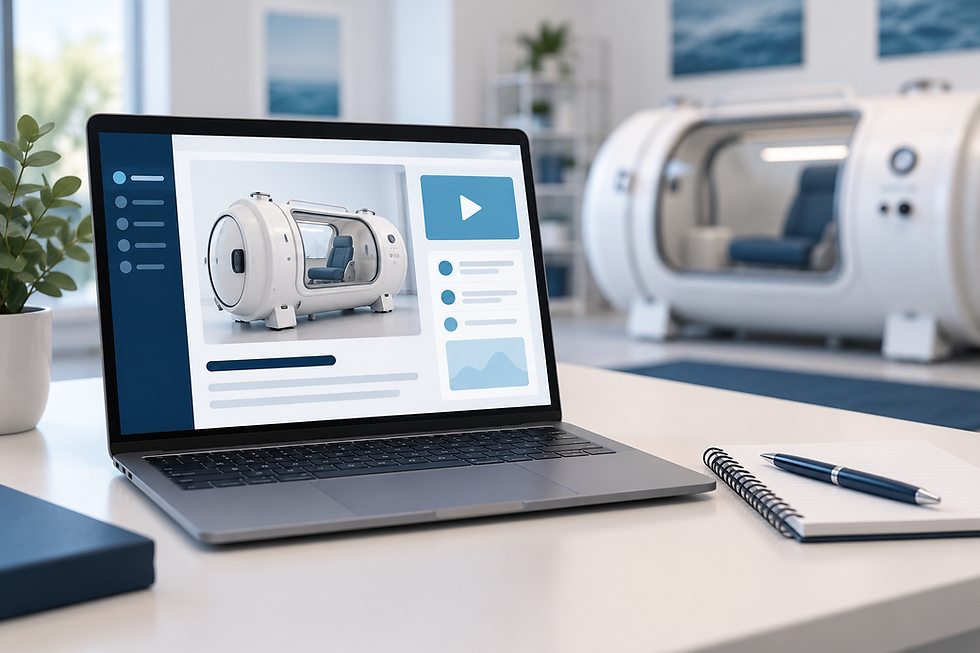
Understanding the types of hyperbaric chambers helps in selecting the right system for specific needs. There are two main types:
Monoplace Chambers
These chambers accommodate a single person. They are typically made of clear acrylic and pressurised with 100% oxygen. Monoplace chambers are compact, making them suitable for clinics and private use. They offer a controlled environment with direct oxygen delivery.
Multiplace Chambers
These chambers can hold multiple people simultaneously. They are usually made of steel and pressurised with air, while patients breathe oxygen through masks or hoods. Multiplace chambers are common in hospitals and larger wellness centres. They allow for group treatments and supervision by medical staff.
Each type has distinct design requirements, including size, pressure control, and safety features. Choosing between them depends on the intended use, space availability, and budget.
Integrating Safety and Compliance in Hyperbaric System Design
Safety is paramount in hyperbaric system design. The system must protect users from risks such as decompression sickness, fire hazards, and mechanical failure.
Key safety considerations include:
Pressure relief valves: Automatically release excess pressure to prevent over-pressurisation.
Fire safety: Use non-flammable materials and install fire detection and suppression systems.
Emergency protocols: Include manual pressure release options and clear evacuation procedures.
Monitoring systems: Continuous monitoring of pressure, oxygen levels, and temperature.
Training and documentation: Provide comprehensive user manuals and training for operators.
Compliance with international standards such as ISO 13485 and local regulations ensures the system meets legal and safety requirements. Regular inspections and maintenance schedules are essential to maintain certification and operational safety.
Enhancing User Experience and Accessibility
A well-designed hyperbaric system is not only safe and functional but also comfortable and easy to use. User experience impacts how often and effectively the system is used.
Considerations for enhancing user experience:
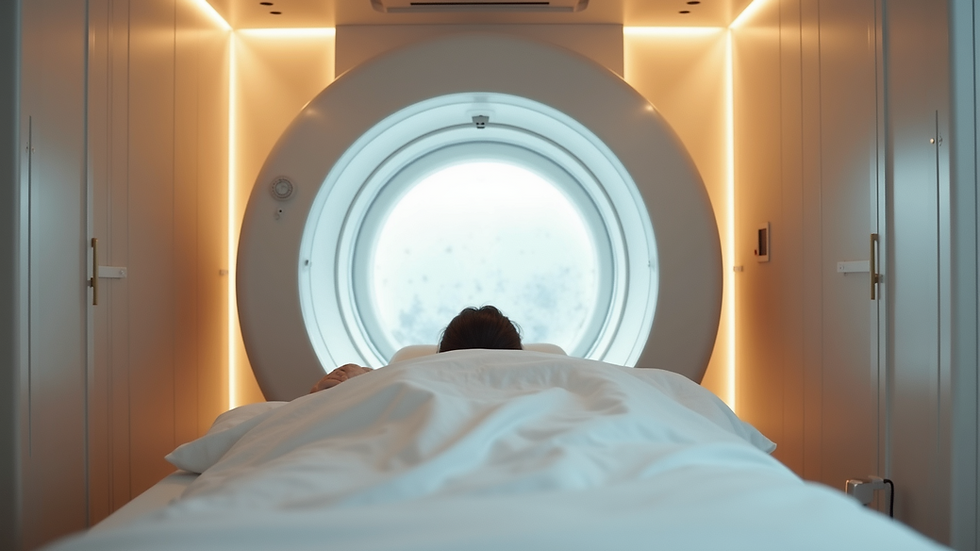
Comfortable interior: Adequate space, cushioning, and ventilation improve comfort during sessions.
Noise reduction: Soundproofing reduces operational noise, creating a relaxing environment.
Clear controls: Simple, labelled controls with feedback indicators help users operate the system confidently.
Accessibility: Design entry points and controls to accommodate users with different physical abilities.
Aesthetic appeal: A clean, modern design encourages use in wellness and sports facilities.
Providing clear instructions and support builds user confidence. The system should feel reassuring and reliable from the moment of entry to the end of the session.
Planning for Installation and Maintenance
Proper installation and ongoing maintenance are critical to the longevity and performance of a hyperbaric system.
Installation tips:
Site preparation: Ensure the location can support the chamber’s weight and size.
Environmental controls: Maintain stable temperature and humidity to protect equipment.
Power supply: Provide reliable electrical connections with backup options.
Ventilation: Ensure adequate airflow to prevent heat buildup.
Maintenance recommendations:
Regular inspections: Check seals, valves, and structural integrity frequently.
Cleaning protocols: Use approved cleaning agents to maintain hygiene without damaging materials.
Component replacement: Schedule timely replacement of wear parts like gaskets and filters.
Software updates: Keep control systems updated for optimal performance and security.
A well-planned maintenance schedule reduces downtime and extends the system’s lifespan.
Moving Forward with Confidence in Hyperbaric System Design
Designing a hyperbaric system requires attention to detail, adherence to safety standards, and a focus on user needs. By prioritising strong materials, reliable pressure control, safety features, and user comfort, you can create a system that delivers consistent, effective results.
For those seeking to implement or upgrade hyperbaric technology, understanding these key considerations is the first step. I encourage you to explore hyperbaric design solutions that combine quality, safety, and accessibility. This approach ensures that hyperbaric therapy becomes a valuable tool for relaxation, performance, and wellbeing.
With careful planning and expert execution, hyperbaric oxygen chambers can transform wellness spaces and support healthier lives worldwide.

Comments