
Efficient Designs of Hyperbaric Chambers Explained
Hyperbaric chambers have become essential tools for wellness, recovery, and performance enhancement. Their design plays a crucial role in ensuring safety, comfort, and effectiveness. I want to share insights into the efficient designs of hyperbaric chambers. This will help you understand what makes a chamber reliable and user-friendly. Whether you are considering one for a wellness centre, sports facility, clinic, or private use, knowing the design details is vital.
Understanding the Design of Hyperbaric Chambers
The design of hyperbaric chambers focuses on creating a controlled environment where air pressure is increased above normal atmospheric levels. This allows the body to absorb more oxygen, which can accelerate healing and improve overall wellbeing. The chamber must be airtight, strong, and comfortable.
Key design elements include:
Material strength: Chambers are usually made from high-grade steel or aluminium. These materials withstand high pressure without deforming.
Pressure control systems: Efficient chambers have precise pressure regulation to maintain safe and consistent levels.
Safety features: Emergency release valves, communication systems, and monitoring devices are standard.
Comfort: Seating, lighting, and ventilation are designed to keep users relaxed during sessions.
Each of these elements contributes to a chamber that is both effective and user-friendly.

Key Components in the Design of Hyperbaric Chambers
A well-designed hyperbaric chamber integrates several components that work together seamlessly. Here are the most important ones:
Pressure Vessel
This is the main body of the chamber. It must be airtight and capable of withstanding pressures typically between 1.3 and 3 atmospheres absolute (ATA). The vessel’s shape is often cylindrical or spherical to distribute pressure evenly.
Entry and Exit Points
Doors or hatches are designed with multiple locking mechanisms and pressure seals. This ensures no air leaks during operation.
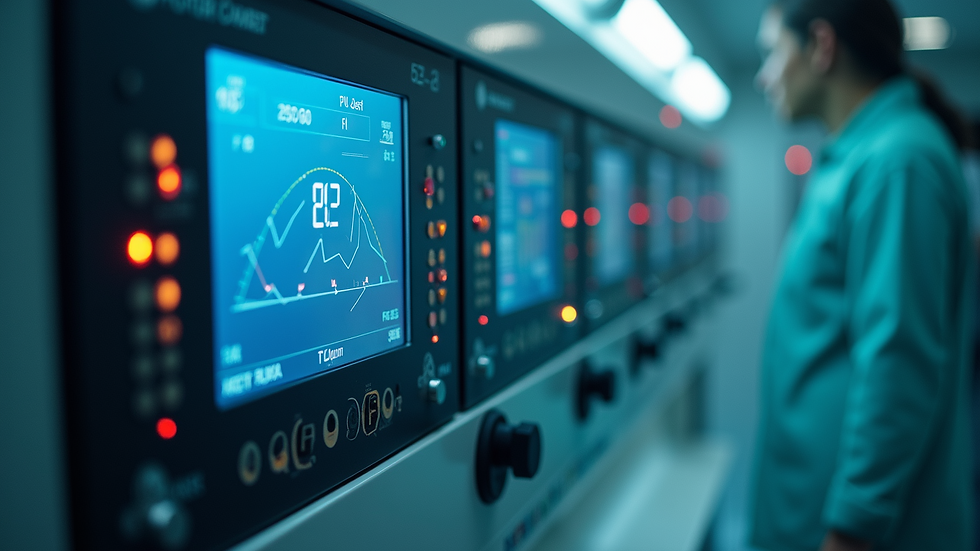
Control Panel
Operators use this to adjust pressure, monitor oxygen levels, and control session duration. The panel is user-friendly and often digital.
Communication System
Since users are enclosed, a two-way communication system is essential for safety and reassurance.
Ventilation and Oxygen Supply
Proper airflow prevents CO2 buildup and maintains oxygen concentration. Some chambers use pure oxygen, while others use pressurised air.
Safety Valves and Emergency Systems
These allow rapid depressurisation if needed. They are tested regularly to ensure reliability.
Comfort Features
Adjustable seating, lighting, and temperature control improve the user experience.
Understanding these components helps in selecting or designing a chamber that meets specific needs.
Materials and Construction Techniques
The choice of materials and construction methods directly impacts the chamber’s durability and safety. Most hyperbaric chambers use:
Steel: Offers excellent strength and durability. It is often coated to prevent corrosion.
Aluminium: Lightweight and corrosion-resistant, suitable for portable chambers.
Acrylic Windows: Provide visibility and natural light while maintaining pressure integrity.
Construction techniques include welding and precision machining to ensure airtight seals. The chamber’s joints and seams are tested under pressure to detect any leaks.
Manufacturers also consider weight and portability. For example, chambers designed for private homes may prioritise lighter materials without compromising safety.
Practical Recommendations for Choosing a Hyperbaric Chamber
When selecting a hyperbaric chamber, consider these practical factors:
Purpose: Is it for wellness, sports recovery, or clinical use? Different purposes may require different pressure ranges and features.
Size and Capacity: Single-person chambers are common for private use. Multi-person chambers suit clinics and wellness centres.
Safety Certifications: Look for chambers that meet international safety standards.
Ease of Use: Controls should be intuitive. Maintenance should be straightforward.
Support and Warranty: Reliable manufacturers offer training, support, and warranties.
I recommend visiting trusted suppliers and reviewing their product specifications carefully. For example, hyperbaric design offers UK-made chambers with a strong focus on quality and user experience.
Innovations in Hyperbaric Chamber Design
Recent advances have improved chamber efficiency and comfort. Some notable innovations include:
Modular Designs: Allow easy expansion or customisation.
Improved Insulation: Enhances temperature control and energy efficiency.
Smart Monitoring Systems: Provide real-time data on pressure, oxygen levels, and user health.
Noise Reduction: Quieter compressors and ventilation systems improve relaxation.
Ergonomic Interiors: Designed to reduce claustrophobia and increase comfort during longer sessions.
These innovations make hyperbaric therapy more accessible and enjoyable.
Maintenance and Safety Practices
Maintaining a hyperbaric chamber is essential for safety and longevity. Regular checks should include:
Inspecting seals and gaskets for wear.
Testing pressure relief valves.
Cleaning and disinfecting the interior.
Calibrating control systems.
Training staff or users on emergency procedures.
Proper maintenance prevents malfunctions and ensures a safe environment for users.
Final Thoughts on Efficient Hyperbaric Chamber Designs
Efficient hyperbaric chamber designs combine strength, safety, and comfort. They use high-quality materials and incorporate advanced technology to deliver reliable performance. Whether for a wellness centre, sports facility, clinic, or private home, choosing the right design is crucial.
I encourage you to explore options carefully and prioritise chambers that meet your specific needs. Remember, a well-designed chamber not only enhances therapy but also provides peace of mind.
Investing in a quality hyperbaric chamber is investing in health, recovery, and wellbeing.

Comments